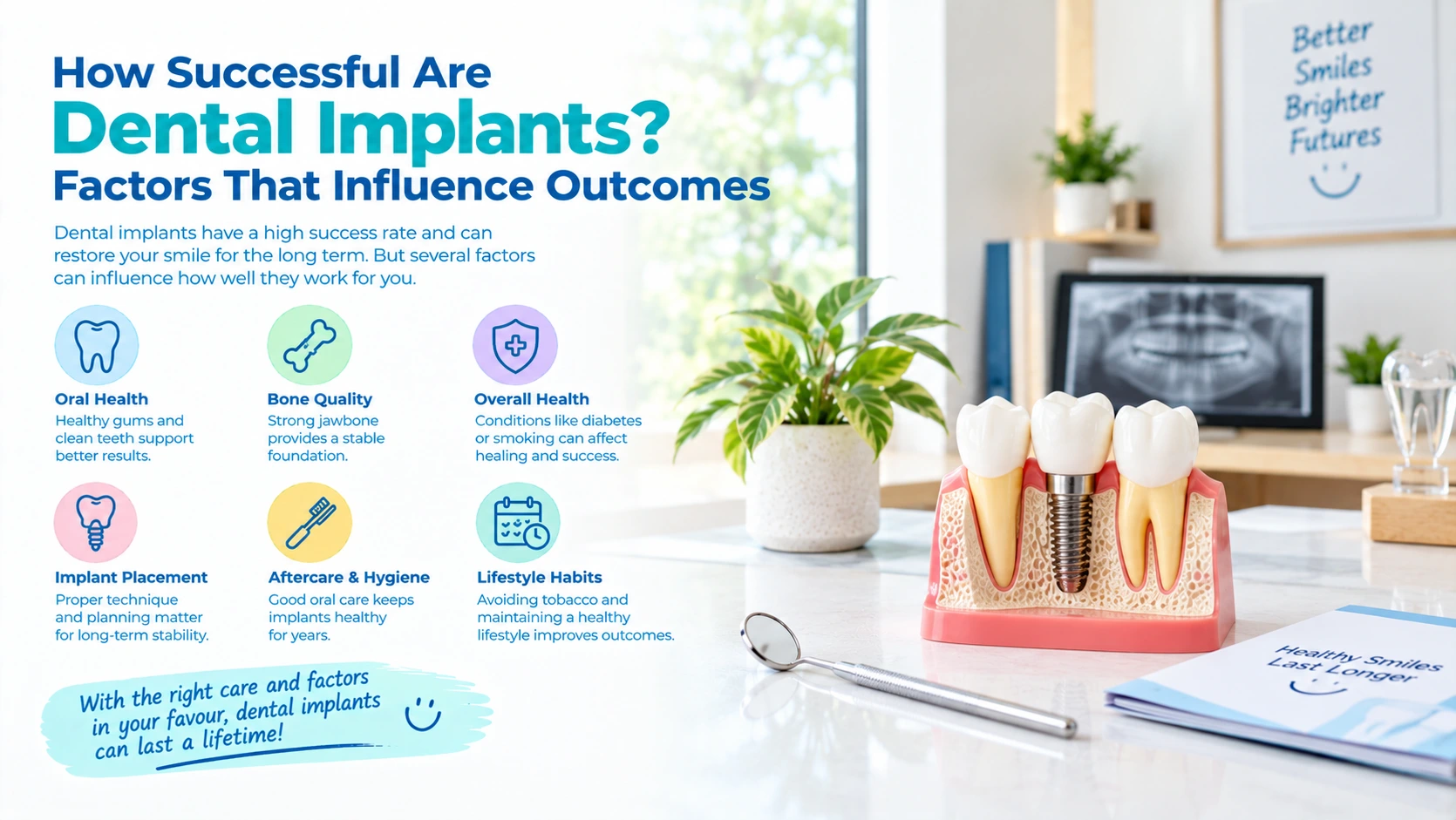
Missing teeth affect more than your smile. They change how you chew, speak, and even how your face looks over time. Dental implants have become the gold standard for tooth replacement, but many people still ask the same question before committing: how successful are they, really? This guide answers that clearly, explains what influences the outcome, and helps you decide whether implants are the right choice for you. What Is a Dental Implant? A dental implant is a small titanium post placed into the jawbone to act as an artificial tooth root. Over a few months, the post fuses with the bone through a process called osseointegration. Once healed, a custom-made crown is attached on top, giving you a replacement tooth that looks, feels, and functions like a natural one. Unlike dentures or bridges, implants don’t rely on neighbouring teeth for support and help preserve jawbone density, which is why dentists often recommend them for long-term tooth replacement. How Successful Are Dental Implants? Dental implants have one of the highest success rates in modern dentistry. Studies consistently report success rates of around 95% to 98% when the procedure is planned and performed properly, and many implants last 15 to 25 years or even a lifetime with good care. That said, success isn’t guaranteed for everyone. The result depends on a combination of patient health, clinical skill, and aftercare. Understanding these factors helps you set realistic expectations and improve your chances of a lasting outcome. Key Factors That Influence Dental Implant Success 1. Jawbone Quality and Density Implants need enough healthy bone to anchor securely. If you’ve lost significant bone after a long-standing missing tooth, a bone graft or sinus lift may be needed first. Skipping this step can compromise stability and lead to implant failure. 2. Oral Hygiene Poor brushing and flossing habits allow bacteria to build up around the implant, causing peri-implantitis, an infection that damages the surrounding gum and bone. Good daily hygiene and regular dental check-ups are essential for long-term success. 3. Smoking and Lifestyle Habits Smoking reduces blood flow to the gums and slows healing, making it one of the leading causes of implant complications. Quitting before and after surgery significantly improves outcomes. 4. Medical Conditions Uncontrolled diabetes, autoimmune disorders, and certain medications can slow healing. This doesn’t automatically rule out implants, but it does mean your dentist will need to evaluate your overall health carefully before proceeding. 5. Gum Health Active gum disease must be treated before implant placement. Healthy gums provide the foundation for a stable, long-lasting result. 6. Dentist’s Experience and Technique Accurate diagnosis, 3D imaging, careful surgical planning, and precise placement all depend on the clinician’s expertise. This is often the single most important factor in whether an implant succeeds. 7. Quality of Implant Materials Premium-grade titanium or zirconia implants from reputable manufacturers integrate better with bone and are less likely to cause complications compared with low-quality alternatives. 8. Post-Treatment Care Following your dentist’s instructions after surgery, attending follow-up visits, and avoiding hard foods during healing all play a major role in how well the implant settles. The Role of Location in Your Treatment Journey Implant treatment isn’t a single visit. It involves consultation, imaging, surgery, healing, and crown placement across several months. Choosing a nearby provider makes follow-ups easier, and for East Pune residents, a Dental Clinic in Kalyani Nagar offers the convenience of regular monitoring without long commutes. Why Specialist Expertise Matters Placing an implant is a surgical procedure that requires training in bone assessment, soft tissue management, and prosthetic design. Working with an experienced implantologist in Kalyani Nagar means your treatment plan is built around your bone structure, bite, and long-term goals rather than a one-size-fits-all approach. Dr. Amit Thareja brings years of clinical experience to implant dentistry, combining digital planning with a careful, patient-first approach. Each case begins with a thorough evaluation so that potential risks are identified and addressed before surgery, not after. At Dr. Tharejas Dental Care, treatment is guided by 3D imaging, sterile protocols, and clear communication, so patients always know what to expect at every stage. What to Look for in an Implant Clinic When searching for the Best Dental Clinic in Kalyani Nagar, look beyond advertisements. A reliable clinic should offer detailed consultations, explain the full cost upfront, use quality implant systems, and provide proper post-surgical follow-up. Patient reviews and before-and-after case examples are also helpful indicators of consistent results. For anyone specifically researching a Dental Implant In Kalyani Nagar, ask about the implant brand, the expected healing timeline, the warranty offered, and what is included in the quoted price, such as the crown and follow-up visits. Choosing the Right Dentist for Long-Term Results Many patients compare several options before deciding. When evaluating a Dentist In Pune for implant treatment, check qualifications, years of implant experience, and whether the clinic has digital imaging facilities. A transparent, unhurried consultation is usually a good sign of a trustworthy practice. If you ever experience sudden pain, swelling, or a loose tooth, typing “Dental Clinic Near Me” into your search bar and getting seen quickly can prevent minor problems from becoming major ones. Signs of a Healthy Implant A successful implant should feel stable, cause no persistent pain, and allow normal chewing. Mild swelling and tenderness in the first few days are normal, but ongoing discomfort, bleeding, gum recession, or looseness should be examined promptly. Frequently Asked Questions 1. What is the success rate of dental implants? When performed correctly in suitable candidates, dental implants have a success rate of roughly 95% to 98%. 2. How long do dental implants last? With proper care, implants can last 15 to 25 years or more. The crown may need replacement sooner due to normal wear. 3. Is the implant procedure painful? The procedure is done under local anaesthesia, so most patients feel only mild pressure. Post-surgery soreness is usually manageable with prescribed medication. 4. Who is not a good candidate for implants? People with severe uncontrolled health conditions,
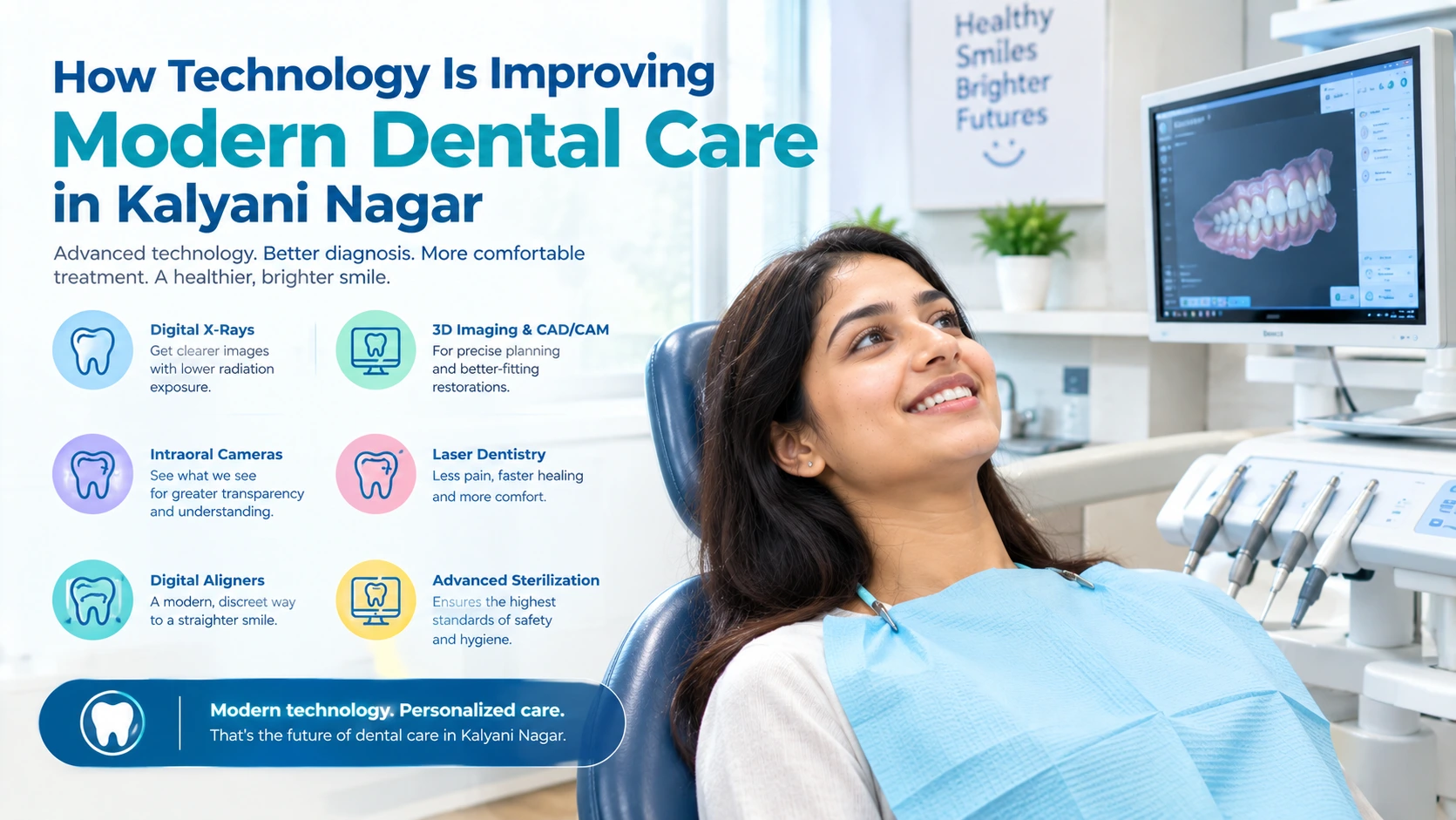
Dentistry has come a long way from the days of manual drills and guesswork diagnoses. Today, technology plays a central role in almost every aspect of dental treatment — from diagnosis to procedure to recovery. If you’ve avoided the dentist’s chair due to past experiences with discomfort or long treatment times, modern advancements are changing that narrative entirely. This blog explores how technology is reshaping dental care and what it means for patients seeking faster, more accurate, and more comfortable treatment. The Shift From Traditional to Digital Dentistry For decades, dental treatment relied heavily on manual techniques, physical impressions, and film X-rays that took time to develop and interpret. While effective, these methods came with limitations — longer chair time, higher margin for error, and more discomfort for patients. Today, digital dentistry has replaced many of these outdated processes with faster, more precise alternatives that improve both the diagnostic process and the treatment experience. Key Technologies Transforming Dental Care 1. Digital X-Rays and Imaging Traditional X-rays required film processing and exposed patients to higher radiation levels. Digital X-rays produce instant, high-resolution images with significantly reduced radiation exposure, allowing dentists to detect issues like cavities, bone loss, and infections earlier and more accurately. 2. Intraoral Scanners Gone are the days of uncomfortable putty impressions. Intraoral scanners capture a precise 3D digital model of your teeth in minutes, improving accuracy for procedures like aligners, crowns, and bridges while making the entire experience far more comfortable. 3. Laser Dentistry Laser technology has made procedures like gum reshaping, cavity treatment, and even certain root canal steps less invasive, often eliminating the need for stitches and significantly reducing recovery time. 4. Rotary Endodontics For root canal treatments, rotary instruments allow for cleaner, faster, and more precise removal of infected tissue compared to traditional hand files, resulting in shorter procedure times and less post-treatment discomfort. 5. CAD/CAM Technology Computer-aided design and manufacturing allow dentists to design and produce crowns, veneers, and other restorations with remarkable precision — sometimes even in a single visit, eliminating the need for temporary restorations. 6. AI-Assisted Diagnostics Artificial intelligence is increasingly being used to analyze X-rays and scans, helping dentists spot early signs of decay, bone loss, or oral disease that might otherwise be missed during a routine visual exam. How This Benefits Patients Greater Accuracy Digital tools reduce the room for human error, ensuring treatments are planned and executed with a level of precision that wasn’t possible even a decade ago. Reduced Discomfort From laser procedures to digital scanning, many of today’s technologies are specifically designed to minimize pain and anxiety, making dental visits far less intimidating. Faster Treatment Times Advanced tools mean fewer appointments and shorter procedure times, which is especially valuable for patients with busy schedules. Better Preventive Care Early and accurate detection of dental issues through digital imaging and AI analysis allows for preventive treatment, often avoiding the need for more invasive procedures down the line. Technology in Specialized Dental Care Advanced diagnostic tools aren’t just useful for general dentistry — they’re especially valuable in specialized fields like periodontics, which focuses on gum health and the structures supporting your teeth. Digital imaging allows for precise measurement of bone loss and gum recession, helping specialists create targeted treatment plans. If you’re dealing with symptoms like bleeding gums, persistent bad breath, or receding gum lines, consulting a qualified Periodontist near me equipped with modern diagnostic tools can make a significant difference in catching and treating gum disease early. Why Choosing the Right Clinic Matters Not all clinics adopt these technologies at the same pace, which is why choosing the right provider matters as much as the technology itself. If you’re based in East Pune, look for a well-equipped Dental Clinic in Kalyani Nagar that has invested in digital diagnostic tools and modern treatment systems, ensuring you receive care that reflects current best practices rather than outdated methods. Meet the Expert Driving This Change Adopting new technology is only valuable when paired with clinical expertise. Dr. Amit Thareja combines years of hands-on experience with a strong focus on integrating modern dental technology into everyday practice, ensuring patients receive both precision and comfort during every visit. At Dr. Tharejas Dental Care, this commitment to technology-driven treatment is paired with a patient-first approach — every tool is used not just to speed up procedures, but to make the overall experience less stressful for the people in the chair. What Makes a Clinic Stand Out Today When people search for the Best Dental Clinic in Kalyani Nagar, they’re often looking for more than just convenience — they want a clinic that invests in the latest equipment, maintains strict hygiene standards, and has a team capable of using that technology effectively. A well-equipped clinic isn’t just about impressive machines; it’s about how those tools translate into better outcomes for patients. Similarly, if you’ve typed “Dental Clinic Near Me” into a search bar while dealing with sudden tooth pain, having access to digital diagnostics nearby means your issue can be identified and addressed quickly, without unnecessary delays. Finding Technology-Driven Dental Care in Pune Whether you need a routine check-up or a specialized procedure, choosing a modern, tech-equipped Dentist In Pune ensures you’re getting care that’s both efficient and accurate. From digital scans to AI-assisted diagnostics, the right clinic can make your treatment journey noticeably smoother. And if you’re simply looking for a reliable dentist near me for a regular cleaning or check-up, it’s worth choosing a clinic that uses at least basic digital tools like intraoral cameras or digital X-rays — even routine visits benefit from better diagnostic accuracy. Frequently Asked Questions Q1. Is technology-driven dental treatment more expensive? Not necessarily. While some advanced procedures may cost slightly more upfront, they often reduce the number of visits needed and prevent costlier issues down the line, making them cost-effective in the long run. Q2. Are digital X-rays safe? Yes, digital X-rays use significantly less radiation than traditional film X-rays, making them a safer option for
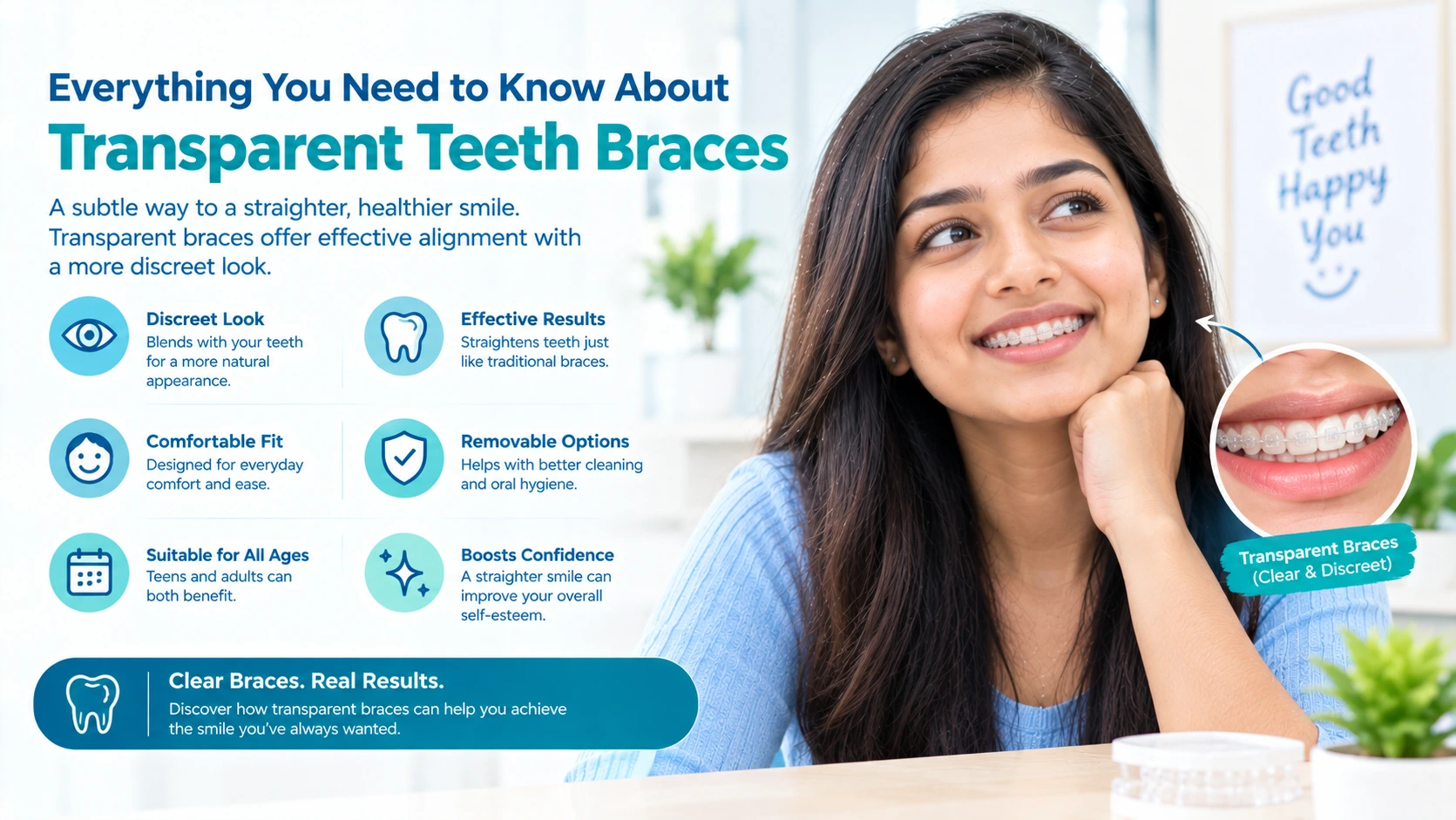
Crooked or misaligned teeth don’t have to mean years of metal wires and brackets anymore. Transparent teeth braces have transformed the way people approach orthodontic treatment — offering a discreet, comfortable, and convenient alternative to traditional braces. Whether you’re a working professional, a college student, or simply someone who wants straighter teeth without the metallic smile, this guide covers everything you need to know before starting treatment. What Are Transparent Teeth Braces? Transparent teeth braces, often called clear aligners, are custom-made, virtually invisible trays that gradually shift your teeth into proper alignment. Unlike traditional braces that use metal brackets and wires, these aligners are made from smooth, medical-grade plastic that fits snugly over your teeth. Each set of aligners is worn for one to two weeks before moving on to the next in the series, slowly guiding your teeth into their ideal position. Because they’re nearly invisible, removable, and far more comfortable than metal braces, they’ve become one of the most requested orthodontic treatments among teenagers and adults alike. How Do Transparent Braces Work? The process begins with a detailed dental examination, including digital scans or impressions of your teeth. This data is used to create a customized treatment plan that maps out the exact movement of your teeth from start to finish. Based on this plan, a series of aligners is manufactured, each one slightly different from the last, to progressively straighten your smile. Most patients need to wear their aligners for 20–22 hours a day, removing them only to eat, drink, brush, and floss. Regular check-ins with your dentist — typically every four to six weeks — ensure your treatment is progressing as planned. Benefits of Choosing Transparent Braces 1. Virtually Invisible The biggest draw is their near-invisibility. Most people won’t even notice you’re wearing them, making them ideal for anyone self-conscious about a mouth full of metal. 2. Removable Convenience Unlike fixed braces, you can take them out to eat your favorite foods without restrictions, and brushing and flossing remain hassle-free. 3. Comfortable Fit Made from smooth plastic with no sharp edges or wires, transparent braces are far gentler on your gums and cheeks compared to traditional metal braces. 4. Fewer Dental Visits Since there are no wires to tighten, follow-up appointments are generally quicker and less frequent than with conventional braces. 5. Predictable Results Digital treatment planning allows you to see a simulation of your final smile before you even begin, giving you a clear sense of what to expect. Who Is a Good Candidate? Transparent braces work well for mild to moderate cases of crowding, spacing, and bite misalignment. They’re a popular choice among adults who want to avoid the visible appearance of metal braces, as well as teenagers who are diligent about wearing their aligners as prescribed. However, severe orthodontic issues may still require traditional braces or a combination approach, which is why a professional evaluation is essential before choosing your treatment path. How Long Does Treatment Take? Treatment duration varies depending on the complexity of your case. Minor corrections may take as little as 4 to 6 months, while more involved cases can take 12 to 18 months. Your dentist will give you a personalized timeline after reviewing your dental scans and bite pattern. Cost Considerations The cost of transparent braces depends on several factors: the complexity of your case, the number of aligners required, the brand of technology used, and the duration of treatment. While they may cost more upfront compared to traditional metal braces, many patients find the comfort, convenience, and aesthetic appeal well worth the investment. Clinics often provide flexible payment plans to make treatment more accessible. Why Location Matters for Orthodontic Treatment Choosing a nearby clinic isn’t just about convenience — it directly impacts how consistent you can be with your appointments. If you’re based in East Pune, searching for a reliable Dental Clinic in Kalyani Nagar ensures you can easily fit in your regular check-ins without disrupting your daily routine. Since aligner treatment requires periodic monitoring, proximity plays a real role in treatment success. Meet the Expert Orthodontic treatment is as much about technique as it is about technology. Dr. Amit Thareja brings extensive clinical experience in modern orthodontics, using precise digital planning to deliver predictable, comfortable results for every patient. His patient-centered approach focuses on minimizing discomfort while maximizing the effectiveness of each treatment plan. At Dr. Tharejas Dental Care, patients benefit from a combination of advanced diagnostic tools and a genuinely attentive clinical team — making the journey toward a straighter smile far less intimidating. What Sets This Clinic Apart Patients researching the Best Dental Clinic in Kalyani Nagar typically look for three things: experienced doctors, advanced technology, and transparent pricing. This clinic checks all three boxes, offering digital scanning for accurate treatment planning and clear communication at every stage, so there are no surprises along the way. If you’ve searched “Dental Clinic Near Me” hoping to find a trustworthy place to start your smile transformation, it helps to know that a good first consultation — including a scan and treatment simulation — can answer most of your questions before you commit to anything. Finding the Right Specialist For anyone specifically exploring invisible braces in Kalyani Nagar, working with a qualified orthodontist who understands both the science and the aesthetics of tooth movement makes all the difference. An experienced Orthodontist in Kalyani Nagar will assess your bite, jaw alignment, and aesthetic goals before recommending the most suitable aligner system for your needs. More broadly, patients across the city searching for a trusted Dentist In Pune want the same things: transparency, comfort, and results they can see. And for those specifically interested in premium aligner systems, exploring options for Invisalign Treatment in Pune is a great starting point, given its proven track record and globally recognized technology. Frequently Asked Questions Q1. Are transparent braces as effective as metal braces? For mild to moderate alignment issues, clear aligners are just as effective. Severe cases may still require
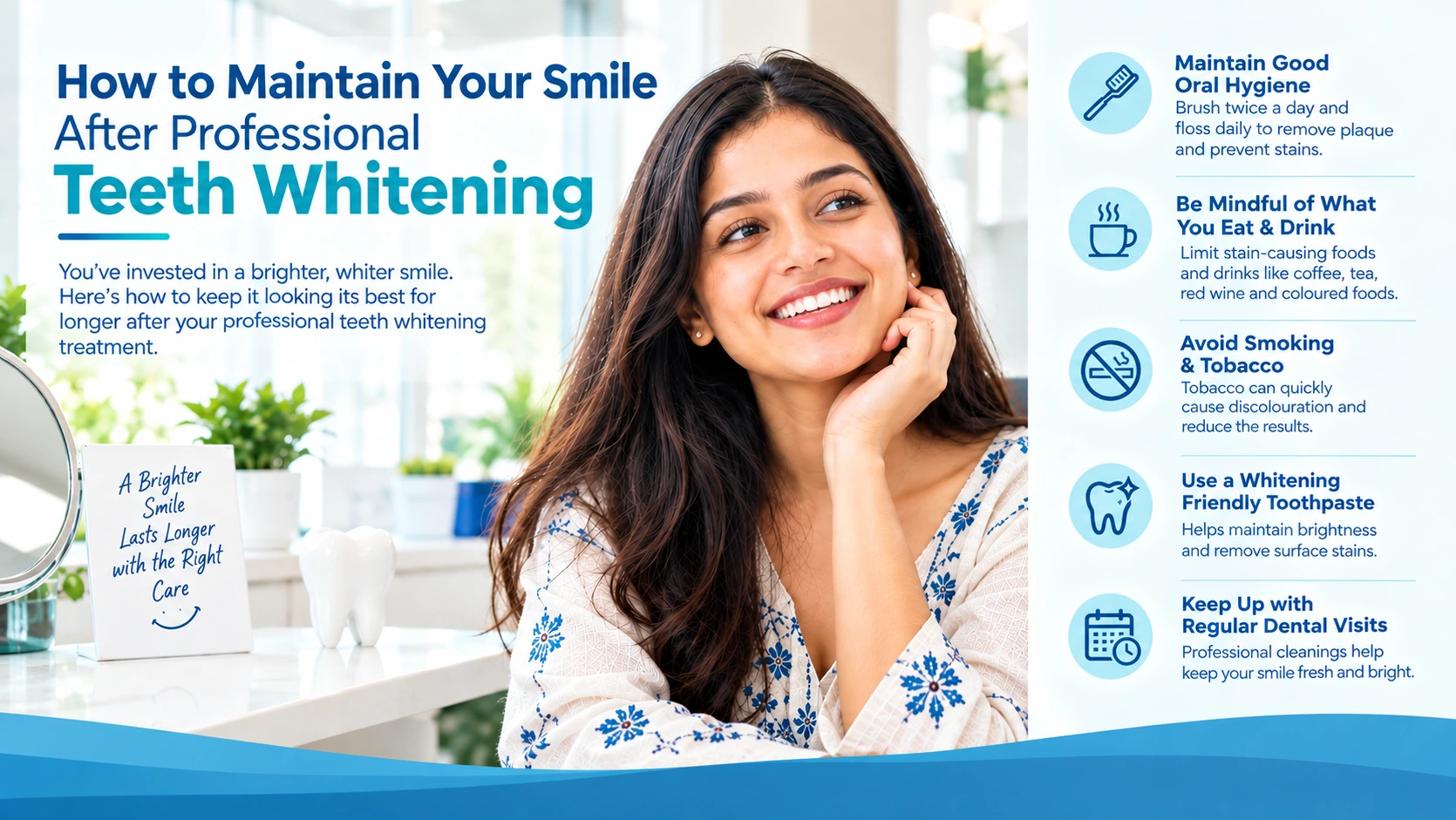
A professionally whitened smile can make your teeth look brighter and help you feel more confident. However, maintaining those results requires consistent oral hygiene and a few simple lifestyle adjustments. Teeth naturally become darker over time because of food, beverages, tobacco exposure, plaque buildup, and the normal aging process. Professional whitening can provide noticeable results, but it is not a permanent change in tooth color. The good news is that proper aftercare can help your smile stay brighter for longer. At Dr. Tharejas Dental Care, Dr. Amit Thareja provides personalized dental guidance to help patients maintain their oral health and protect the results of cosmetic dental treatments. Search Intent: How Can You Keep Teeth White After Professional Whitening? People searching for information about maintaining their whitened smile generally want practical answers to questions such as: How long will professional whitening results last? What foods and drinks should be avoided? Can I brush immediately after whitening? How often can I whiten my teeth? Does coffee cause teeth staining? What oral hygiene routine should I follow? When should I schedule a professional dental cleaning? Understanding these factors can help you maintain your results without overusing whitening products. 1. Follow Your Dentist’s Post-Whitening Instructions The first step after professional whitening is to follow the specific instructions provided by your dentist. Your teeth may temporarily become more sensitive after treatment, and your dentist can recommend appropriate products and habits based on your individual needs. Avoid experimenting with multiple whitening products immediately after professional treatment. Excessive or inappropriate whitening may increase sensitivity and irritate your gums. 2. Be Careful With Staining Foods and Drinks Certain foods and beverages contain pigments that can contribute to tooth staining. Common examples include: Coffee Tea Red wine Cola and dark-colored soft drinks Soy sauce Tomato-based sauces Berries Dark chocolate Curry and strongly colored foods You do not necessarily need to eliminate these foods permanently. However, moderating them and maintaining good oral hygiene can help reduce staining. When possible, rinse your mouth with water after consuming strongly pigmented foods or drinks. 3. Limit Coffee and Tea Exposure Coffee and tea are common causes of external tooth staining. If you regularly consume them, consider reducing the frequency or following them with water. Using a straw for suitable cold beverages can also reduce direct contact between the drink and the front surfaces of your teeth. Avoid adding excessive sugar to beverages because frequent sugar exposure can increase the risk of tooth decay. 4. Stop Tobacco Use Smoking and tobacco products can cause significant tooth discoloration and negatively affect overall oral health. Tobacco stains can accumulate on teeth and may make a recently whitened smile appear darker over time. Avoiding tobacco is one of the most effective ways to protect both your whitening results and your long-term dental health. 5. Maintain an Effective Oral Hygiene Routine Good oral hygiene is essential after professional whitening. A simple routine should include: Brush Twice a Day Brush your teeth for approximately two minutes twice daily using a soft-bristled toothbrush and fluoride toothpaste. Avoid brushing too aggressively because excessive pressure can contribute to enamel wear and gum irritation. Floss Daily Flossing removes plaque and food particles from areas that a toothbrush cannot reach. Clean spaces between the teeth are particularly important for maintaining an even-looking smile. Consider an Appropriate Whitening Toothpaste A dentist may recommend a suitable whitening toothpaste for maintaining surface brightness. Whitening toothpastes primarily help remove certain surface stains rather than changing the natural color of the tooth. 6. Drink Plenty of Water Water is one of the simplest ways to support oral health after whitening. Drinking water can: Wash away food particles Reduce prolonged exposure to staining substances Support saliva production Help maintain a cleaner mouth Choosing water instead of frequently consuming sugary or colored beverages can benefit both your teeth and gums. 7. Maintain Regular Dental Cleanings Even with excellent home care, plaque and tartar can accumulate in difficult-to-clean areas. Professional dental cleaning helps remove deposits and surface stains that regular brushing cannot completely eliminate. Regular dental visits also allow your dentist to identify cavities, gum problems, enamel wear, or other conditions that may affect your smile. If you are searching online for a Dental Clinic Near Me, consider choosing a dental practice that provides both preventive and cosmetic dental care. 8. Avoid DIY Whitening Remedies Online whitening trends often recommend ingredients such as lemon juice, vinegar, charcoal, or baking soda. These methods may not be suitable for regular use and can potentially damage enamel or irritate the gums when used incorrectly. Professional whitening products are designed with controlled formulations and should be used according to dental recommendations. If you want to maintain your whitening results, professional guidance is safer than repeatedly experimenting with home remedies. 9. Manage Tooth Sensitivity Temporary sensitivity can occur after professional whitening. If your teeth feel sensitive: Avoid extremely hot or cold foods Use toothpaste designed for sensitive teeth if recommended Avoid acidic beverages Follow your dentist’s aftercare instructions Persistent or severe sensitivity should be evaluated by a dental professional because it may have another underlying cause. 10. Consider Professional Touch-Up Treatments Whitening results naturally fade over time. The duration depends on factors such as diet, oral hygiene, tobacco use, age, and the original shade of the teeth. Some patients may benefit from periodic professional touch-ups. The timing should be determined by your dentist rather than following a fixed schedule. If you are considering Teeth whitening in Kalyani Nagar, a dental consultation can help determine whether professional whitening or a maintenance treatment is appropriate for you. Can Dental Hygiene Affect Whitening Results? Absolutely. Plaque buildup can make teeth appear dull or yellow even after professional whitening. Maintaining good oral hygiene at a Dental Clinic in Kalyani Nagar helps keep the tooth surfaces clean and can make your smile appear brighter. However, whitening cannot correct every type of discoloration. Intrinsic stains, certain medications, enamel changes, and dental restorations may require different cosmetic solutions. Whitening and Dental Restorations It
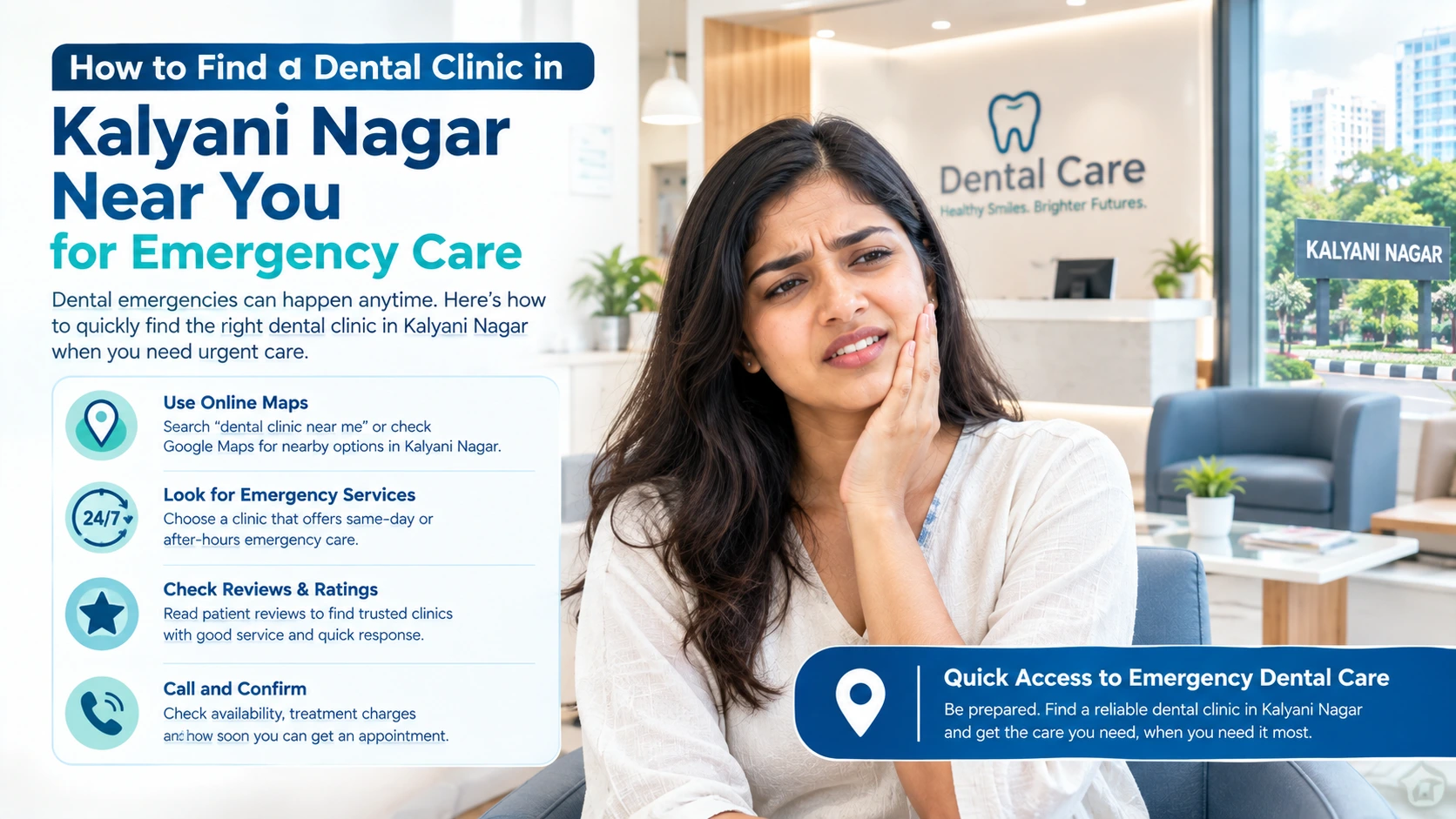
A dental emergency can happen unexpectedly. Severe tooth pain may begin at night, a tooth can break while eating, or an injury can cause bleeding and swelling. In such situations, knowing how to quickly find a reliable dental clinic can help you receive timely care and avoid unnecessary complications. When searching for emergency dental treatment, patients should consider more than distance alone. Availability, dentist experience, emergency services, diagnostic facilities, infection-control standards, and the ability to manage urgent dental problems are all important factors. For patients in and around Kalyani Nagar, Dr. Tharejas Dental Care, led by Dr. Amit Thareja, provides professional dental evaluation and treatment for a range of oral health concerns. Search Intent: What Patients Look for During a Dental Emergency When someone searches for emergency dental treatment, their primary intent is usually immediate and practical. They want to know: Where can I receive dental care quickly? Is the clinic equipped to handle emergencies? Can severe tooth pain be treated? What should I do if my tooth is broken or knocked out? Is an emergency appointment available? How can I determine whether my problem requires urgent treatment? A useful emergency dental clinic should make it easy for patients to understand available services, appointment options, location, and what steps to take before reaching the clinic. What Qualifies as a Dental Emergency? Not every dental problem requires immediate treatment, but certain symptoms should not be ignored. Common dental emergencies include: Severe or Persistent Toothache Intense tooth pain can result from deep decay, infection, a damaged filling, or inflammation of the dental pulp. Pain that interferes with eating, sleeping, or daily activities deserves professional evaluation. Broken or Cracked Tooth A tooth can crack or break because of trauma, biting something hard, decay, or weakened tooth structure. Prompt evaluation may help determine whether the tooth can be restored. Knocked-Out Tooth A completely displaced permanent tooth requires urgent attention. The sooner the patient receives professional care, the better the opportunity for appropriate management. Dental Abscess or Swelling Swelling around the tooth, face, or gums can be associated with an infection. An abscess should be professionally assessed rather than treated solely with home remedies. Excessive Oral Bleeding Bleeding that does not stop after appropriate first-aid measures requires dental or medical evaluation, particularly when associated with trauma. Lost Dental Restoration A lost crown, filling, or other restoration may expose sensitive tooth structures and increase the risk of further damage. How to Find the Right Emergency Dental Clinic When looking for a Dental Clinic Near Me, do not rely solely on search ranking or proximity. Consider several factors before choosing a provider. 1. Check Emergency Treatment Availability Confirm whether the clinic handles urgent dental problems and whether same-day appointments may be available. A clinic that clearly communicates its emergency appointment process can save valuable time when you are experiencing severe discomfort. 2. Review the Dentist’s Experience An emergency dentist should be capable of assessing different dental problems and determining whether immediate treatment, medication, restoration, or further investigation is necessary. Patients looking for a Dentist In Pune should review the dentist’s qualifications, experience, treatment philosophy, and range of dental services. 3. Consider Location and Accessibility During an emergency, travelling long distances may be inconvenient, especially when pain or swelling is present. Choosing a conveniently located Dental Clinic in Kalyani Nagar can make it easier to reach professional care promptly when an urgent dental problem occurs. 4. Look for Comprehensive Dental Services Emergency dental problems can involve different areas of dentistry. A clinic offering restorative, endodontic, periodontal, surgical, and general dental care may be better positioned to evaluate and manage different situations. 5. Check Diagnostic Facilities Accurate diagnosis is essential during a dental emergency. Depending on the problem, your dentist may need dental X-rays or other diagnostic examinations to understand the underlying cause. 6. Read Patient Reviews Carefully Reviews can provide useful insight into patient experiences, communication, treatment quality, and clinic professionalism. However, reviews should be considered alongside professional qualifications and the clinic’s services rather than being the only factor in your decision. Why Prompt Emergency Dental Care Matters Delaying treatment may allow certain dental conditions to become more complicated. For example, untreated infection can progress, while a cracked tooth may sustain additional damage. Similarly, ignoring persistent tooth pain can allow the underlying problem to worsen. Seeking Emergency Dental Care in Kalyani Nagar can help identify the cause of the problem and determine an appropriate treatment plan as early as possible. What to Do Before Reaching the Dentist While waiting for professional care, simple precautions can help protect the affected area. For Toothache Rinse your mouth gently with clean water and avoid extremely hot or cold foods if they increase discomfort. For a Knocked-Out Tooth Handle the tooth carefully by the crown rather than the root. Avoid scrubbing the root surface and seek urgent dental advice. For Swelling A cold compress applied externally may help reduce swelling temporarily. Do not place ice directly against the skin for prolonged periods. For Bleeding Use clean gauze or cloth to apply gentle pressure to the area. If bleeding is severe or persistent, seek urgent professional or medical care. Avoid placing aspirin directly on the gums or tooth because it can irritate the tissues. When Should You Call an Emergency Dentist? Consider contacting an emergency dental provider when you experience: Severe tooth pain Facial or gum swelling Dental trauma A knocked-out permanent tooth A fractured tooth Uncontrolled oral bleeding Signs of dental infection Significant damage to a dental restoration A dental professional can determine how urgent the condition is and recommend the next appropriate step. Why Choose Dr. Tharejas Dental Care for Dental Emergencies? At Dr. Tharejas Dental Care, emergency dental concerns are approached with careful examination and individualized treatment planning. Dr. Amit Thareja evaluates the patient’s symptoms and dental condition before recommending appropriate treatment. The goal is to identify the underlying cause rather than simply provide temporary relief. Patients searching for the Best Dental Clinic in Kalyani Nagar should look for
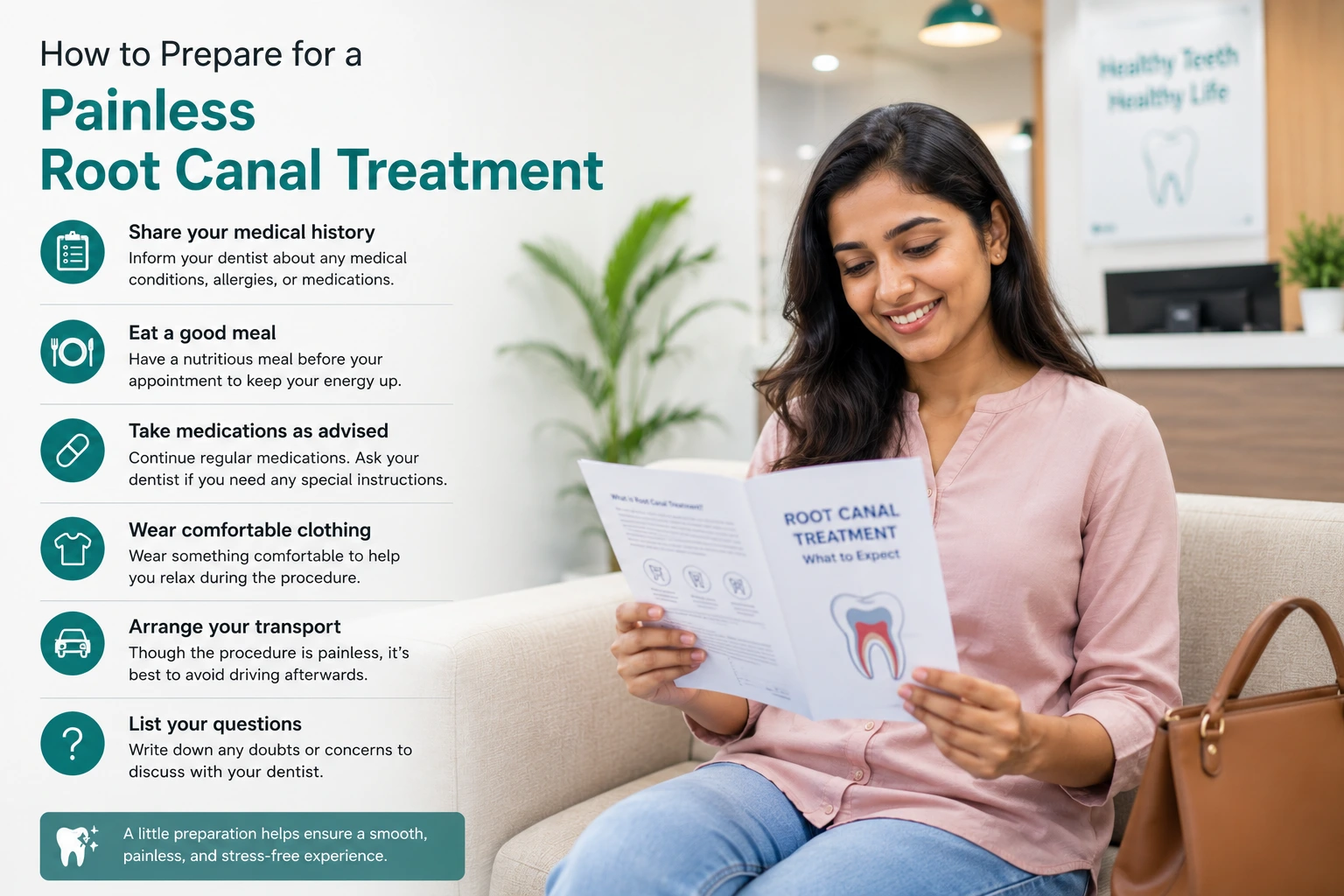
Root canal treatment is one of the most effective ways to save a severely damaged or infected tooth. Despite its reputation, modern root canal treatment is generally performed with local anesthesia and advanced dental techniques designed to keep patients comfortable throughout the procedure. Good preparation can make the experience even smoother. Knowing what to expect, discussing your concerns with your dentist, following pre-treatment instructions, and taking care of your oral health can all contribute to a comfortable treatment experience. At Dr. Tharejas Dental Care, Dr. Amit Thareja focuses on personalized dental care and patient comfort. If you have been advised to undergo root canal treatment, understanding how to prepare can help you approach your appointment with greater confidence. What Is Root Canal Treatment? A root canal is a dental procedure used to treat infection or inflammation inside a tooth. The inner part of a tooth contains the dental pulp, which consists of nerves and blood vessels. Deep decay, cracks, trauma, or repeated dental procedures can damage this tissue. During treatment, the dentist removes the infected or inflamed pulp, cleans and disinfects the root canals, fills the space, and seals the tooth. A crown may subsequently be recommended when the tooth needs additional structural protection. The primary objective is to eliminate infection while preserving the natural tooth whenever possible. Is Root Canal Treatment Painful? Fear of pain is one of the biggest reasons people postpone dental treatment. However, modern techniques and effective local anesthesia can make root canal treatment much more comfortable than many patients expect. Some tenderness or sensitivity may occur after the procedure, particularly when biting on the treated tooth. This is usually temporary and can often be managed with medication recommended by the dentist. If anxiety is preventing you from seeking care, discuss your concerns before treatment. Your dental team can explain each stage and help you feel more comfortable. How to Prepare Before Your Root Canal Appointment 1. Eat a Normal Meal Before the Appointment Unless your dentist has specifically advised otherwise, having a normal meal before treatment can be helpful. Root canal procedures may take some time, and eating beforehand can prevent you from becoming hungry during the appointment. Choose a balanced meal that is not excessively hard, sticky, or sugary. If you have been given specific instructions because of sedation or another medical consideration, follow those instructions instead. 2. Get Adequate Rest A good night’s sleep can help you feel more relaxed and prepared for your appointment. Try to avoid scheduling unnecessary stressful activities immediately before your dental visit. Arriving calm and well-rested can make the overall experience more comfortable. 3. Take Prescribed Medication as Directed If your dentist has prescribed antibiotics or other medication before treatment, take it exactly as instructed. Do not start antibiotics or pain medication on your own simply because you are concerned about discomfort. Your dentist should determine whether medication is appropriate for your condition. 4. Tell Your Dentist About Your Medical History Before treatment, inform your dentist about relevant medical conditions, allergies, medications, and previous reactions to dental anesthetics or medications. This information allows the dental team to plan treatment appropriately and safely. 5. Discuss Dental Anxiety If you are nervous about root canal treatment, tell your dentist before the procedure begins. Open communication can help your dentist explain: What will happen during treatment How anesthesia will be used How long the appointment may take What sensations you may experience What to expect afterward Understanding the process often reduces uncertainty and anxiety. Choosing the Right Dental Clinic Selecting an experienced dental professional is an important part of preparing for root canal treatment. Look for a clinic that prioritizes diagnosis, infection control, modern techniques, and patient comfort. If you are searching online for a Dental Clinic Near Me, consider factors such as the dentist’s experience, treatment approach, available technology, patient reviews, and the clinic’s focus on preventive and restorative dentistry. For patients in the area, a well-established Dental Clinic in Kalyani Nagar can provide convenient access to evaluation, treatment, and follow-up care. What Happens During Root Canal Treatment? Understanding the procedure can make it feel less intimidating. Step 1: Examination and Diagnosis Your dentist examines the tooth and may recommend dental X-rays to determine the extent of infection and understand the shape of the root canals. Step 2: Local Anesthesia Local anesthesia is administered to numb the affected tooth and surrounding area. This is an important part of maintaining patient comfort during treatment. Step 3: Removing the Infected Pulp A small opening is made in the tooth, allowing the dentist to access and remove the infected or inflamed pulp tissue. Step 4: Cleaning and Disinfection The root canals are carefully cleaned, shaped, and disinfected to remove bacteria and infected material. Step 5: Sealing the Canals The cleaned canals are filled with a suitable material and sealed to help prevent reinfection. Step 6: Restoring the Tooth Depending on the condition of the tooth, a permanent filling or dental crown may be recommended. A crown can provide additional protection to a weakened tooth and help restore normal function. What to Do After Root Canal Treatment Following your dentist’s instructions after treatment is important for a smooth recovery. Avoid Chewing Hard Foods Immediately If the tooth has not yet received its permanent restoration, avoid biting hard or sticky foods with it. This can help reduce the risk of damaging the tooth. Maintain Good Oral Hygiene Continue brushing and flossing regularly unless your dentist gives you different instructions. Keeping your mouth clean supports overall oral health. Take Medication Only as Recommended If medication is prescribed or recommended, follow the dosage and instructions provided by your dentist. Attend Your Follow-Up Appointment If a permanent crown or restoration has been recommended, do not delay the next appointment unnecessarily. The final restoration helps protect the treated tooth and restore its function. How to Reduce Dental Anxiety Before Treatment Dental anxiety is common, but there are practical ways to manage it. Consider: Asking questions before the procedure
A confident smile can change the way you feel about yourself every single day. Whether it’s crooked teeth, stains, gaps, or a chipped tooth that’s been bothering you for years, modern cosmetic dentistry has made it easier than ever to transform your smile without long, complicated procedures. If you’ve been searching for a Smile Makeover in Pune, this guide will walk you through everything you need to know — from understanding search intent behind your query to choosing the right clinic, treatment, and dentist for your needs. Understanding What You’re Really Looking For When people search online for a smile transformation, they’re usually not just looking for a definition of “cosmetic dentistry.” They want practical answers: Which treatments actually work? How much will it cost? Who is a trustworthy dentist nearby? Is it safe? How long does it take to see results? This blog is built around exactly those questions, so whether you’re just starting your research or ready to book a consultation, you’ll find clear, actionable information here. What Is a Smile Makeover? A smile makeover isn’t a single procedure — it’s a combination of cosmetic and sometimes restorative dental treatments designed to improve the overall appearance of your smile. It takes into account your teeth, gums, lips, and facial structure to create a natural, balanced result rather than a one-size-fits-all fix. Common treatments included in a smile makeover are: Teeth whitening for a brighter, stain-free smile Dental veneers to correct shape, size, and color Dental bonding for chipped or minor imperfections Invisalign or clear aligners for alignment issues Dental implants for missing teeth Gum contouring to balance a “gummy” smile Crowns and bridges for damaged or missing teeth A good cosmetic dentist doesn’t just pick one treatment — they design a plan that suits your facial features, bite, and long-term oral health. Why Pune Is Becoming a Hub for Cosmetic Dentistry Pune has grown rapidly as a center for advanced dental care, combining experienced specialists with modern technology at prices that are often more accessible than metro cities like Mumbai or Delhi. If you’re a Dentist In Pune searcher trying to compare options, you’ll find a wide range of clinics — but not all of them offer the same level of expertise, hygiene standards, or personalized care. This is why it’s important to look beyond advertisements and reviews, and actually understand what separates a good clinic from a great one. How to Choose the Right Cosmetic Dental Treatment Choosing the right treatment isn’t about picking the most popular option — it’s about matching the procedure to your specific dental concerns. Here’s how to approach the decision: 1. Get a Proper Dental Assessment First Before deciding on veneers, whitening, or aligners, a thorough oral examination is essential. X-rays, gum health checks, and bite analysis help determine which treatments will actually work for your mouth, not just what looks good in before-and-after photos. 2. Match the Treatment to the Problem Stained or dull teeth → Teeth whitening or veneers Chipped or slightly misaligned teeth → Bonding or veneers Crooked teeth → Clear aligners or braces Missing teeth → Implants or bridges Uneven gum line → Gum contouring 3. Ask About Longevity and Maintenance Some treatments, like whitening, need touch-ups every year or two. Others, like veneers or implants, can last a decade or more with proper care. Understanding this upfront helps you plan your budget and expectations realistically. 4. Prioritize Experience Over Price Alone Cosmetic dentistry is as much an art as it is a science. A dentist with years of hands-on experience in smile design will usually deliver more natural-looking, long-lasting results than choosing purely based on the lowest quote. Finding a Trusted Dental Clinic in Kalyani Nagar, Pune If you live in or around East Pune, searching for a Dental Clinic in Kalyani Nagar is a smart starting point, since proximity matters for follow-up visits, emergencies, and ongoing care. A well-established Dental Clinic in Kalyani Nagar Pune should offer modern diagnostic equipment, sterilization protocols that meet international standards, and a team capable of handling everything from routine cleanings to full smile transformations. One name that patients in the area often mention is Dr. Tharejas Dental Care, led by Dr. Amit Thareja, known for combining clinical precision with a patient-first approach to cosmetic dentistry. Clinics like this typically stand out because they focus on personalized treatment planning rather than pushing a single “package” solution on every patient. What Makes a Cosmetic Dentist the “Best” Choice When people search for the Best Dentist in Kalyani Nagar, they’re usually evaluating a few key factors: qualifications, before-and-after results, patient reviews, hygiene standards, and communication style. A great Cosmetic Dentist in Kalyani Nagar will: Take time to understand your aesthetic goals Explain all treatment options honestly, including pros and cons Show real case studies or patient results Use digital smile design tools to preview outcomes Offer transparent pricing with no hidden costs If a dentist rushes the consultation or avoids answering direct questions about cost and process, that’s usually a red flag worth noting. The Smile Makeover Process: What to Expect Initial Consultation – Discussion of goals, concerns, and a full oral examination. Digital Smile Preview – Many modern clinics use software to show you a simulated result before committing. Treatment Planning – A combination of procedures is finalized based on your needs and budget. Execution – Depending on the treatments chosen, this may take a single visit (like whitening) or several weeks (like aligners or implants). Follow-Up Care – Ongoing check-ups to ensure results last and gums stay healthy. Choosing an experienced Dentist in Kalyani Nagar who follows this structured process reduces the chances of complications and helps you get results that actually match what was promised. Cost Factors to Keep in Mind Cosmetic dental treatment costs in Pune vary widely depending on: The number of teeth being treated Material quality (composite vs. porcelain veneers, for example) The complexity of your case The dentist’s experience and clinic reputation Whether treatments are
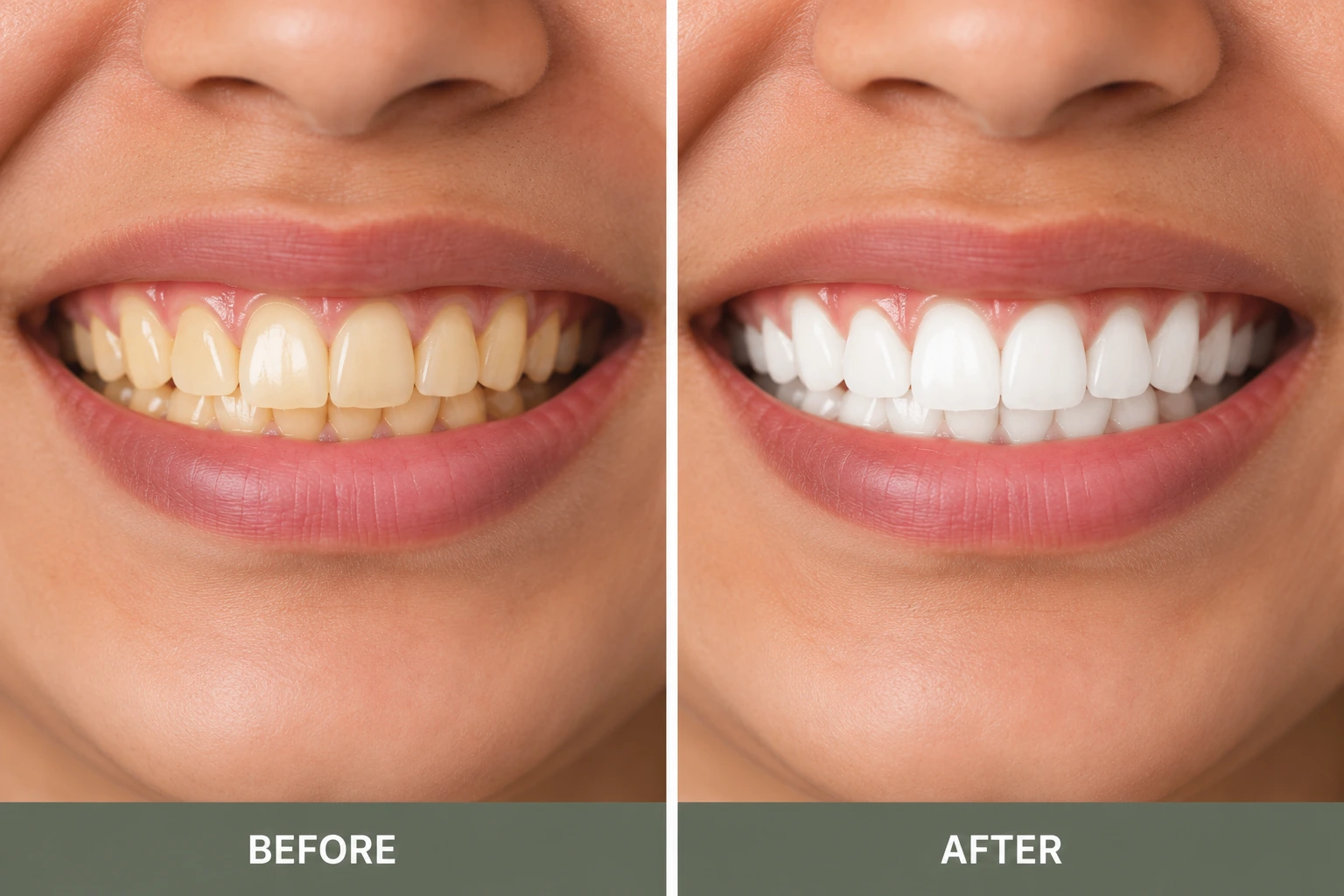
Yellow teeth are one of the most common dental concerns people search for solutions to online, and for good reason — a bright, white smile boosts confidence and often reflects good oral health. Over time, tooth enamel naturally wears down and exposes the yellowish dentin underneath, while daily habits like drinking coffee, tea, or red wine, along with smoking, add external stains. The good news is that yellow teeth are highly treatable, and with the right combination of home care and professional treatment, you can achieve results that last for months or even years rather than days. In this guide, we’ll walk through why teeth turn yellow, which whitening methods actually work, and how to maintain a lasting bright smile. Understanding Search Intent: What People Really Want to Know When someone types “how to whiten yellow teeth” into a search engine, they’re usually looking for one of three things: quick home remedies, professional treatment options, or reassurance that whitening is safe and effective. This blog is structured to answer all three, starting with the root causes, moving into proven whitening methods, and ending with practical aftercare tips so your results stay bright for as long as possible, not just for a few days after treatment. Common Causes of Yellow Teeth Enamel thinning with age, which reveals the naturally yellow dentin layer underneath Frequent consumption of coffee, tea, cola, and red wine Smoking or tobacco use Poor oral hygiene leading to plaque and tartar buildup Certain medications and excessive fluoride exposure during childhood Genetics, since some people naturally have thicker, whiter enamel than others Home Remedies: What Works and What Doesn’t Many people try baking soda, oil pulling, or activated charcoal to whiten their teeth at home, and while some of these methods can remove light surface stains, they rarely change the actual color of the tooth and can sometimes damage enamel if used too aggressively or too often. Whitening toothpaste can help maintain results between professional sessions since it targets only surface stains, but it is not strong enough to reverse deep or long-standing discoloration on its own. If your goal is a noticeable, even, and long-lasting change in tooth shade, home remedies alone are usually not sufficient, and combining them with professional guidance gives far more predictable results. Professional Teeth Whitening: The Long-Lasting Solution For results that truly last, professional whitening remains the gold standard. Dentists use higher-concentration bleaching agents that are applied safely under supervision, allowing them to lighten teeth several shades in a single visit without damaging enamel. At a trusted Dental Clinic in Kalyani Nagar, patients typically undergo a shade assessment before treatment so the dentist can recommend the right whitening approach based on the type and depth of staining, ensuring the outcome looks natural rather than artificially bright. What Happens During a Professional Whitening Appointment A typical whitening visit begins with a thorough cleaning to remove plaque and surface debris, followed by a shade comparison to record your starting point. The dentist then isolates the gums to protect soft tissue before applying a professional-grade whitening gel to the teeth. Depending on the technique used, the gel may be activated with a special light to speed up the bleaching reaction. Most in-office sessions take between 45 minutes to an hour, and many patients walk out with visibly whiter teeth the same day. Types of Professional Whitening Treatments In-office laser/LED whitening — a fast, single-session treatment where a whitening gel is activated with light for immediate, dramatic results. Custom take-home kits — dentist-fitted trays with professional-grade gel that patients use over one to two weeks for gradual whitening. Combination treatments — an in-office session followed by touch-up kits at home for the longest-lasting outcome. Patients researching teeth whitening in Kalyani Nagar often ask how long results actually last; with proper aftercare, professional whitening can maintain its brightness for one to three years, compared to just a few weeks with over-the-counter strips or gels bought online. Who Is a Good Candidate for Teeth Whitening? Most adults with healthy gums and no untreated cavities are good candidates for whitening. However, people with severe tooth sensitivity, extensive dental work like crowns or veneers on front teeth, or active gum disease should consult their dentist first, since whitening gel only works on natural tooth enamel and cannot change the color of restorations. A brief consultation before treatment helps identify any underlying issues that need attention first, which also protects your long-term results. Tips to Make Your Whitening Results Last Longer Avoid staining foods and drinks for at least 48 hours after treatment Use a straw when drinking coffee, tea, or dark sodas Quit or reduce smoking and tobacco use Brush twice daily and floss to prevent new stains from forming Schedule professional cleanings every six months Touch up with a dentist-approved whitening kit once or twice a year Why Choose Dr. Tharejas Dental Care Led by Dr. Amit Thareja, Dr. Tharejas Dental Care has built a reputation for delivering safe, effective, and long-lasting cosmetic dental treatments. Recognized as the Best Dentist in Kalyani Nagar, the clinic combines advanced whitening technology with a personalized approach, so every patient receives a treatment plan suited to their enamel type and lifestyle. Patients from nearby areas, including those searching for the Best Dentist in Viman Nagar, regularly travel to this practice for its consistent results and gentle, patient-first care. As a leading Dentist In Pune, the team also emphasizes preventive guidance so whitening results hold up well beyond the treatment chair, rather than fading within weeks like many at-home kits. Aftercare Matters as Much as the Treatment Itself Even the best whitening procedure won’t last if aftercare is ignored. Enamel is slightly more porous immediately after whitening, making it more prone to picking up new stains in the first 48 hours. Sticking to a “white diet” — avoiding coffee, wine, curry, and other strongly pigmented foods right after treatment — along with consistent brushing and flossing, is what separates short-term brightness from truly long-lasting results. Frequently
A smile is one of the first things people notice about you — and when you feel confident about it, everything changes. If you’ve been thinking about transforming your teeth, your upcoming consultation is the most important first step. Whether you’re exploring veneers, teeth whitening, dental bonding, or a complete smile redesign, knowing how to prepare ensures you walk in ready to have a productive conversation with your dentist and walk out with a clear roadmap to your dream smile. At Dr. Thareja’s Dental Care, led by Dr. Amit Thareja, we believe an informed patient is an empowered patient. This guide walks you through everything you need to do before your Smile Makeover in Pune consultation — so you’re prepared, confident, and excited about the journey ahead. What Is a Smile Makeover? A smile makeover is a customised combination of cosmetic dental procedures designed to improve the appearance of your smile. It can include teeth whitening, porcelain veneers, dental crowns, tooth bonding, gum contouring, orthodontics, or implants — tailored entirely to your facial structure, skin tone, and smile goals. Unlike a single dental procedure, a smile makeover takes a holistic view of your entire smile. That’s why the initial consultation is so critical — it’s where your dentist listens, assesses, and plans. Step 1: Identify Your Smile Concerns Clearly Before your consultation, spend time thinking about exactly what bothers you about your smile. Being specific helps your dentist understand your priorities and set realistic expectations. Common concerns patients bring to their first consultation include: Stained or discoloured teeth that don’t respond to over-the-counter whitening Chipped, cracked, or broken teeth affecting confidence Gaps or spacing issues between teeth Crooked or misaligned teeth Gummy smile or uneven gum line Worn down teeth from grinding (bruxism) Missing teeth that affect chewing or appearance Write these down — even a simple list on your phone helps your dentist prioritise what matters most to you. Step 2: Gather Your Dental History Your dental history gives your smile makeover specialist a complete picture of your oral health. Before your visit to a Dental Clinic in Kalyani Nagar, try to compile the following information: Previous dental treatments (crowns, fillings, root canals, extractions) Any ongoing dental issues such as sensitivity, bleeding gums, or jaw pain A list of medications you are currently taking Any allergies, especially to anaesthetics or dental materials Recent X-rays if available from a previous clinic This information allows Dr. Amit Thareja to identify any underlying issues that must be treated before cosmetic work begins — ensuring your results are both beautiful and long-lasting. Step 3: Create an Inspiration Board Visual communication is far more effective than words when it comes to describing smile goals. Browse through magazines, celebrity photos, or social media and save images of smiles you find attractive. Note what appeals to you — is it the whiteness, shape, symmetry, or size of the teeth? Equally important: save images of smiles that you don’t want. This helps your dentist avoid directions that wouldn’t suit you. A great cosmetic dentist doesn’t just replicate what you show them — they customise it to your unique facial anatomy. Step 4: Prepare the Right Questions to Ask Walking into your consultation with thoughtful questions empowers you to make informed decisions. If you’re searching for a Dentist In Pune for cosmetic work, here are the must-ask questions: Which procedures would you recommend for my specific concerns? What is the expected timeline for my smile makeover? Will I need any preparatory treatments such as fillings or gum treatment? Can I see before-and-after photos of similar cases you have treated? What materials will be used, and how long will results last? What is the total estimated cost and what are the payment options? How many appointments will I need, and how long is each session? Don’t hesitate to ask for a digital smile preview or mock-up. At Dr. Thareja’s Dental Care, we use advanced imaging tools so you can visualise your new smile before any treatment begins. Step 5: Set a Realistic Budget Cosmetic dentistry is an investment, and smile makeovers can range widely depending on the number and type of procedures involved. Being upfront about your budget during the consultation helps your dentist create a treatment plan that is both effective and financially feasible for you. Many clinics, including the Best Dental Clinic in Kalyani Nagar, offer flexible EMI options and phased treatment plans, allowing you to achieve your desired smile without financial stress. Ask about these options during your visit. Step 6: Understand What Happens During the Consultation Knowing what to expect reduces anxiety and makes the experience far more comfortable. Here’s a typical flow of what happens when you book a Smile Makeover Treatment in Kalyani Nagar Pune consultation: Comprehensive Oral Examination: Your dentist assesses the current health of your teeth, gums, and bite. X-rays or 3D scans may be taken. Smile Analysis: Your facial structure, lip line, tooth shape, and gum health are evaluated in the context of your smile goals. Digital Imaging or Mock-Up: Many advanced clinics use smile simulation software to show you a preview of potential outcomes. Treatment Planning: A customised plan is created outlining all procedures, timelines, and costs. Q&A Session: You’ll have dedicated time to ask questions and discuss any concerns before committing to anything. Step 7: Take Care of Your Oral Health Beforehand In the days leading up to your consultation, practise good oral hygiene. Brush twice daily, floss, and rinse with an antibacterial mouthwash. Arrive with clean teeth so your dentist can make the most accurate assessment possible. If you’re experiencing any dental pain, sensitivity, or swelling, let your dentist’s office know before the appointment — this may need to be addressed before cosmetic planning can begin. Why Choose Dr. Thareja’s Dental Care for Your Smile Makeover? When patients search for a Dental Clinic Near Me for cosmetic dentistry in Pune, they consistently find Dr. Thareja’s Dental Care as a top-rated destination — and for good reason.
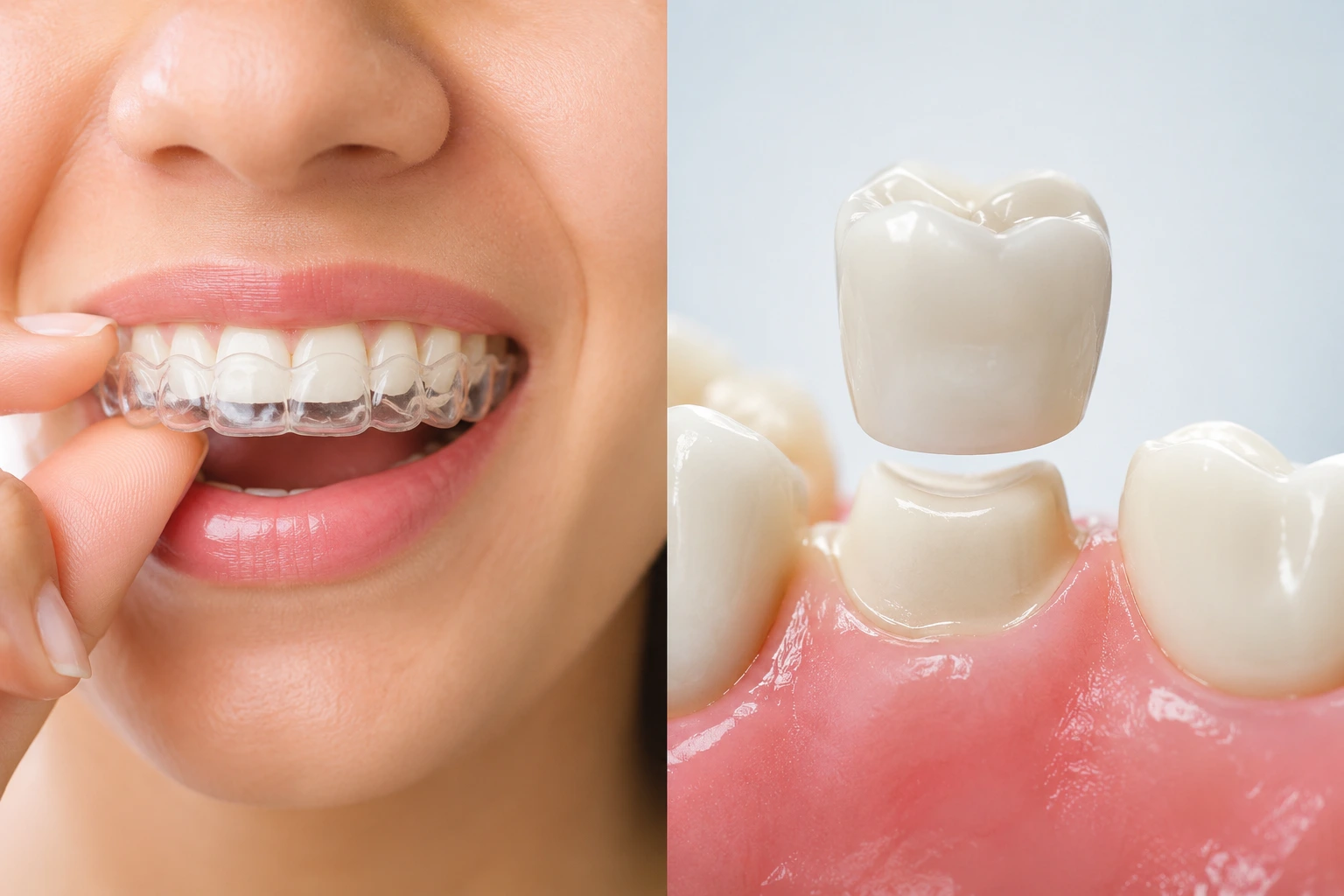
Missing alignment, chipped teeth, worn restorations, or existing dental crowns can make patients wonder whether they are suitable candidates for invisible braces. One of the most common questions dentists hear today is: “Can I straighten my teeth if I already have dental crowns?” The good news is that in many cases, the answer is yes. Advances in modern orthodontics have made it possible for patients with dental crowns to achieve straighter teeth using clear aligners and invisible braces. However, treatment planning requires careful evaluation and expertise to ensure safe and effective results. At Dr. Tharejas Dental Care, patients receive personalized orthodontic solutions designed around their unique dental conditions. Under the expert guidance of Dr. Amit Thareja, invisible braces and restorative treatments are carefully integrated to create healthy, functional, and beautiful smiles. This guide explains everything you need to know about invisible braces and dental crowns, including how they work together, treatment considerations, benefits, and expected outcomes. Understanding Invisible Braces Invisible braces, commonly known as clear aligners, are transparent removable trays designed to gradually move teeth into their ideal positions. Unlike traditional metal braces, invisible braces offer: A discreet appearance Greater comfort Removability during meals Easier oral hygiene maintenance Predictable treatment planning These aligners are custom-made using advanced digital technology and are changed every few weeks as teeth gradually shift into alignment. Many patients today choose Invisalign Treatment in Pune because it offers a comfortable and aesthetically pleasing alternative to conventional braces. What Are Dental Crowns? A dental crown is a custom-made cap placed over a damaged, weakened, or treated tooth to restore its: Shape Size Strength Appearance Function Crowns are commonly recommended for: Severely damaged teeth Root canal-treated teeth Cracked teeth Large fillings Cosmetic smile improvements Modern crowns can be made from porcelain, ceramic, zirconia, metal, or a combination of materials. Can You Get Invisible Braces If You Have Dental Crowns? Yes, in most cases, patients with dental crowns can successfully undergo invisible brace treatment. Having one or more crowns does not automatically disqualify you from orthodontic treatment. However, your dentist must carefully assess: Number of crowns present Condition of the crowns Position of crowned teeth Gum health Bone support Bite alignment A customized treatment plan ensures that tooth movement occurs safely without damaging existing restorations. How Invisible Braces Move Teeth with Crowns Many patients assume crowns cannot move because they are artificial restorations. In reality, orthodontic treatment moves the entire tooth root within the jawbone—not just the visible crown portion. This means: Natural teeth with crowns can still move The crowned tooth moves together with its root Properly bonded crowns generally remain stable during treatment As long as the underlying tooth and supporting bone are healthy, clear aligners can effectively reposition crowned teeth. Benefits of Invisible Braces for Patients with Crowns Improved Smile Aesthetics Many patients receive crowns to improve damaged teeth but may still have alignment concerns. Invisible braces can help correct: Crowding Gaps Minor bite issues Uneven spacing This creates a more balanced and attractive smile. Comfortable Treatment Clear aligners are smooth and custom-fitted, reducing irritation often associated with traditional braces. Patients appreciate: No metal brackets No wires Minimal discomfort Easy removal when eating Better Oral Hygiene Because aligners are removable, patients can continue brushing and flossing normally around crowns and natural teeth. This helps maintain: Crown longevity Gum health Overall oral hygiene Predictable Results Digital treatment planning allows patients to see anticipated results before treatment begins. This improves confidence and helps set realistic expectations. Important Factors Dentists Consider Before Treatment Condition of Existing Crowns Your dentist will first evaluate whether your crowns are: Properly fitted Structurally sound Free from decay underneath Securely bonded Damaged or poorly fitting crowns may require replacement before orthodontic treatment begins. Age of the Crown Older crowns may have weakened bonding or wear that affects treatment planning. In some cases, crowns nearing the end of their lifespan may be replaced after orthodontic treatment for optimal aesthetics. Crown Material Different crown materials respond differently to orthodontic attachments. Common crown materials include: Porcelain Zirconia Ceramic Porcelain-fused-to-metal Your orthodontist will determine the safest bonding approach based on the crown type. Bite Alignment A thorough bite analysis ensures that tooth movement will not place excessive stress on crowned teeth. Advanced digital scans help orthodontists plan movements precisely. Challenges of Invisible Braces with Crowns Although treatment is highly successful for most patients, there are certain considerations. Attachment Bonding Clear aligner treatment often requires small attachments bonded to teeth. Crowns may require specialized bonding techniques because orthodontic attachments adhere differently to restorative materials than natural enamel. Complex Tooth Movements Some movements may be more challenging for crowned teeth depending on: Root position Crown size Bone support This is why detailed treatment planning is essential. Existing Dental Work Patients with multiple crowns, bridges, or implants may require modified orthodontic approaches. An experienced orthodontic team can determine the safest treatment path. Invisible Braces vs Traditional Braces for Crowned Teeth Invisible Braces Advantages: Nearly invisible appearance Removable Easier cleaning Greater comfort Digital treatment planning Disadvantages: Requires patient compliance Not suitable for every complex case Traditional Braces Advantages: Effective for severe alignment issues Continuous force application Disadvantages: More visible Harder to clean Greater irritation For many adults with crowns, invisible braces provide an excellent balance of aesthetics and effectiveness. What Happens If You Need a Crown During Orthodontic Treatment? Sometimes a tooth may require restoration while orthodontic treatment is already underway. In such situations, your dentist may: Place a temporary crown Modify aligners if necessary Adjust treatment sequencing Coordination between restorative and orthodontic care ensures smooth treatment progress. The Role of Digital Technology in Treatment Planning Modern orthodontics relies heavily on digital technology. Advanced tools include: Intraoral scanners 3D imaging Digital smile design Computerized aligner planning These technologies help orthodontists evaluate crowns and surrounding structures with remarkable precision. Patients searching for a Dental Clinic Near Me often prefer clinics that use digital treatment planning because it improves accuracy and comfort. Can Dental Crowns Be Replaced After Orthodontic Treatment? Yes. In some